
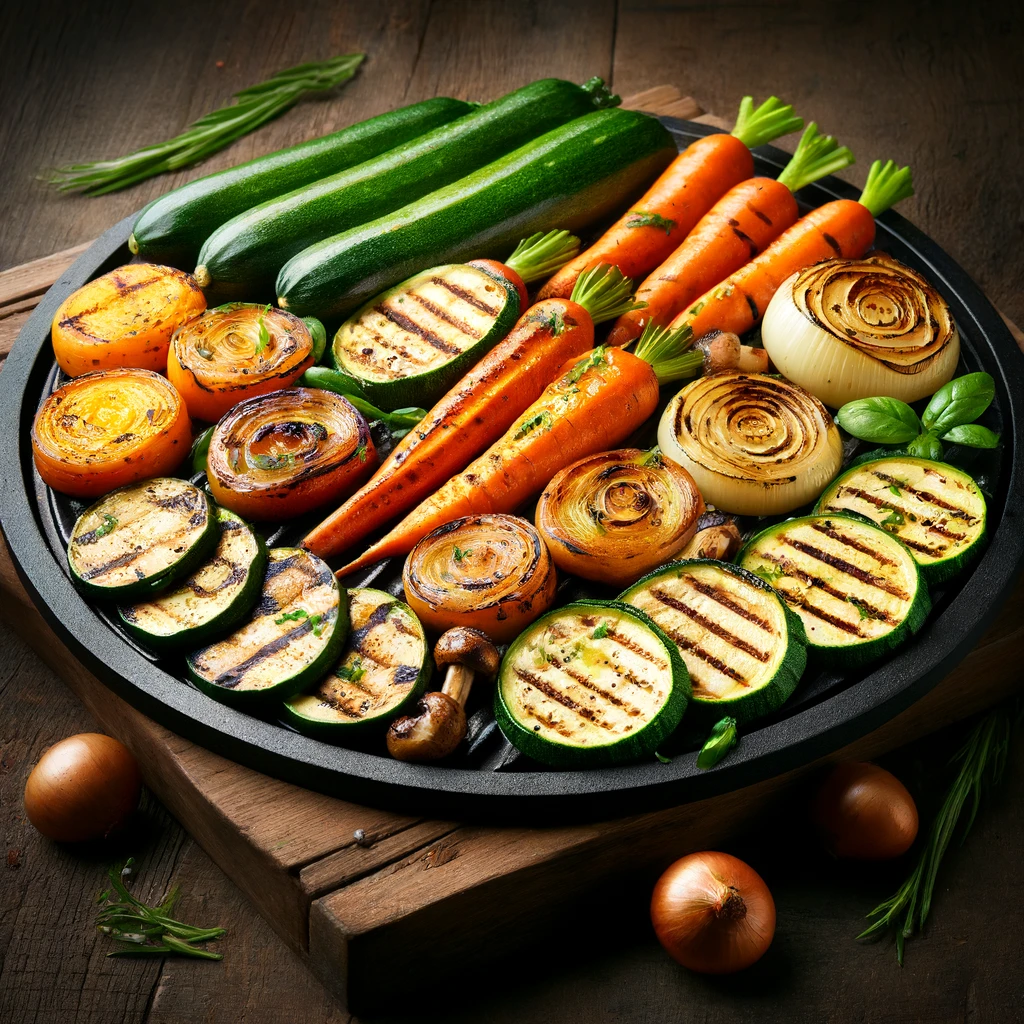
Grilled Vegetables à la Plancha
This article is for informational purposes only and does not constitute medical advice. Always consult your healthcare provider before making any changes to your treatment plan.
Every time I look at my plancha grill pan, I am reminded of a special weekend in Tuscany where I met an Italian mama, the kitchen queen of a small Tuscan town. She taught me the art of simple yet marvelous cooking. "The secret," she said with sparkling eyes, "is to use fresh ingredients and bring out their true flavors.
" From that moment on, I decided to give each vegetable the respect it deserves, and there's no better way to do that than with a quick, flavorful dish like Grilled Vegetables à la Plancha.
When you focus on simplicity and quality, you create a dish that is greater than the sum of its parts. Each vegetable blends to create a symphony of flavors that is a treat for the palate. The plancha makes cooking quick and super convenient, making this dish perfect for a nutritious and refreshing lunch, especially alongside a plate of rice and a white fish fillet (I personally always prefer sea bass).
You can use any vegetables you like or are allowed to eat. Here’s a mix that I always enjoy:
Ingredients:
- 6 medium zucchinis
- 1-2 onions
- 2 carrots
- A handful of mushrooms
For Seasoning:
- Soybean oil
- Black pepper
- Salt (to taste, though soy sauce is usually salty enough)
- Crushed chili flakes
Instructions:
-
Preheat the Plancha:
Place the plancha grill pan on the grill and set it to plancha mode, 200°C (392°F) for 28 minutes. While the device is preheating, prepare the ingredients.
-
Prepare the Vegetables:
- Cut the onions and carrots into thin strips. Once the plancha is preheated, add the strips and stir occasionally until they soften slightly, about 10 minutes with the lid open.
- Cut the zucchinis into thin strips and add them to the plancha.
- Add 2-3 tablespoons of soy sauce, black pepper, and crushed chili flakes, then continue stirring.
-
Add Mushrooms:
About 8 minutes before the end of cooking, add the sliced mushrooms.
-
Finish and Serve:
- Before serving, I like to add a bit of fresh chopped parsley for extra flavor and color.
- Serve and enjoy!
Note: This recipe might not be suitable for all patients.
Recommended Resources
Browse ResourcesRelated Articles
Mediterranean Diet for Crohn's Disease: What Research Shows
Discover how the Mediterranean diet can help manage Crohn's disease symptoms, reduce inflammation, and improve gut health based on recent clinical evidence.
Low Emulsifier Diet for Crohn's Disease: ADDapt Trial Results
The landmark 154-patient ADDapt trial found Crohn's patients on a low emulsifier diet were 3x more likely to improve. Here's what the evidence shows.
Fasting-Mimicking Diet for Crohn's Disease: New Evidence
New 2026 Nature Medicine research shows a fasting-mimicking diet helped nearly 70% of people with mild-to-moderate Crohn's disease. Evidence explained.
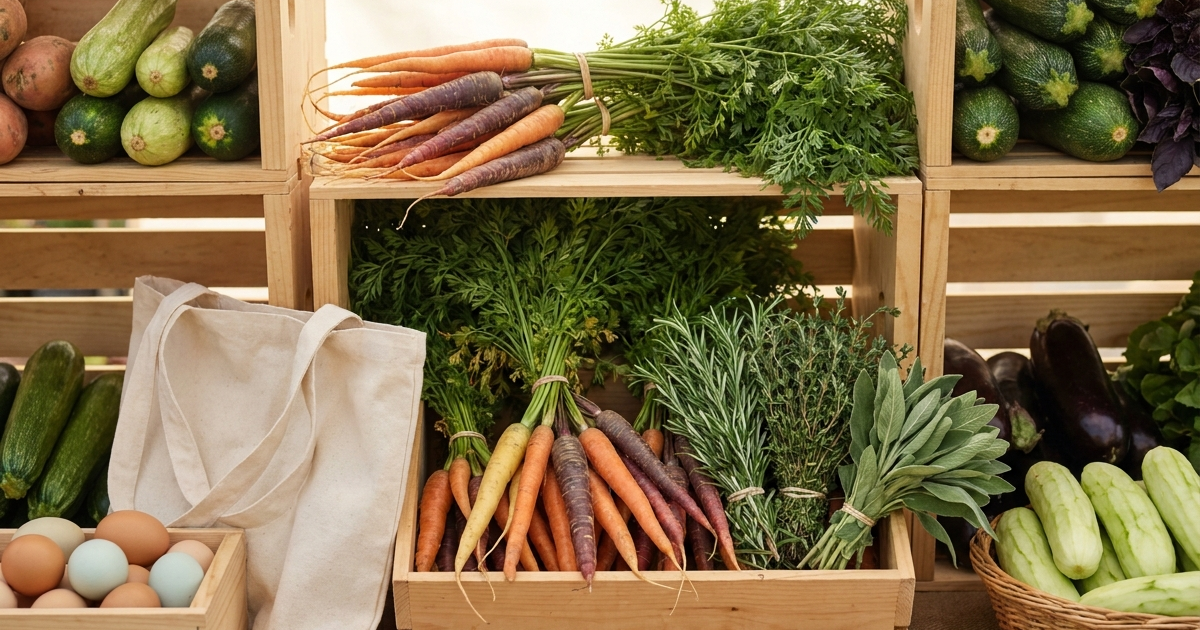
Eating Sustainably with Crohn’s Disease
Can you eat Eco-Friendly with Crohn’s disease? Explore sustainable diet options that support your health while benefiting the planet.

Bioengineered Foods and Crohn’s Disease: Potential Risks and Benefits
Explore how bioengineered foods impact Crohn’s disease. Learn about potential risks, benefits, and what this innovation means for gut health.
Understanding Micronutrient Deficiencies in Crohn Disease Patients
Discover common micronutrient deficiencies in Crohn disease patients, including iron, B12, and vitamin D, and learn how to supplement them effectively to support gut health.