
Astaxanthin: A Powerful Antioxidant for Sun Protection and More
This article is for informational purposes only and does not constitute medical advice. Always consult your healthcare provider before making any changes to your treatment plan.
One Pill a Day Keeps Sun Damage Away!
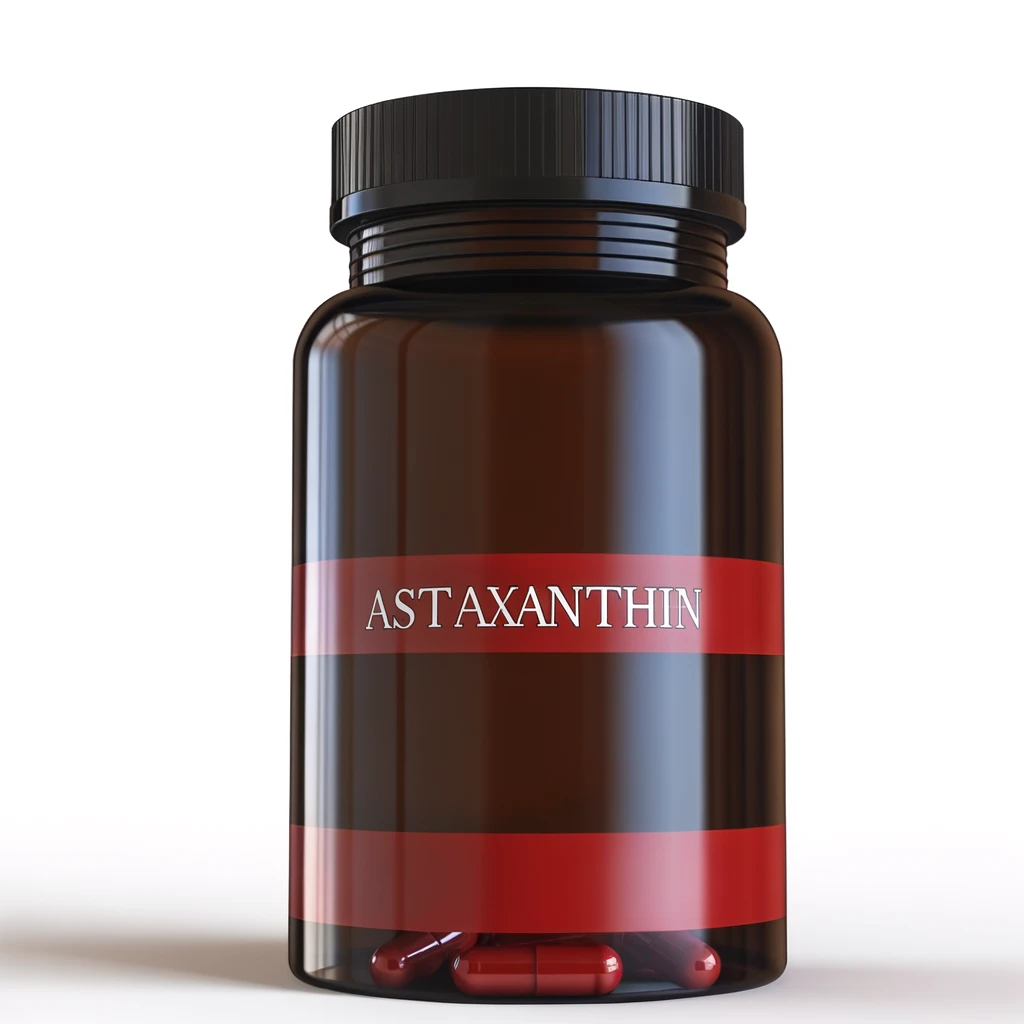
Astaxanthin bottle
Astaxanthin (Astaxanthin) is the most potent antioxidant known to date. Belonging to the carotenoid family, like β-carotene and lycopene, it has a unique chemical structure that can neutralize free radicals 500 times more effectively than other carotenoids. Natural astaxanthin is produced by a microscopic algae called Haematococcus pluvialis to protect itself from oxidative stress conditions.
The most efficient and safe natural source of astaxanthin is dietary supplements that contain the whole Haematococcus algae, which includes a variety of beneficial compounds.
Scientific studies have shown that taking astaxanthin can be beneficial for the body in various ways:
Protecting the skin and eyes from UV radiation.
Improving skin appearance.
Boosting the immune system.
Protecting the nervous system from age-related diseases (such as dementia and Alzheimer’s) and enhancing cognitive abilities.
Balancing blood sugar and cholesterol levels.
Improving sperm quality and increasing pregnancy rates among couples with fertility issues.
From personal experience, I can say that this supplement is truly a magic pill! Since I started taking it, my skin has become tighter, smoother, and more radiant.
Astaxanthin supplements can be found at any health food store and on various online pharmacy websites.
Recommended Resources
Browse ResourcesThis page contains affiliate links. Crohn Zone may earn a small commission at no extra cost to you.
Related Articles

Eating Sustainably with Crohn’s Disease
Can you eat Eco-Friendly with Crohn’s disease? Explore sustainable diet options that support your health while benefiting the planet.

Bioengineered Foods and Crohn’s Disease: Potential Risks and Benefits
Explore how bioengineered foods impact Crohn’s disease. Learn about potential risks, benefits, and what this innovation means for gut health.
Understanding Micronutrient Deficiencies in Crohn Disease Patients
Discover common micronutrient deficiencies in Crohn disease patients, including iron, B12, and vitamin D, and learn how to supplement them effectively to support gut health.